

Fisher
HSJ
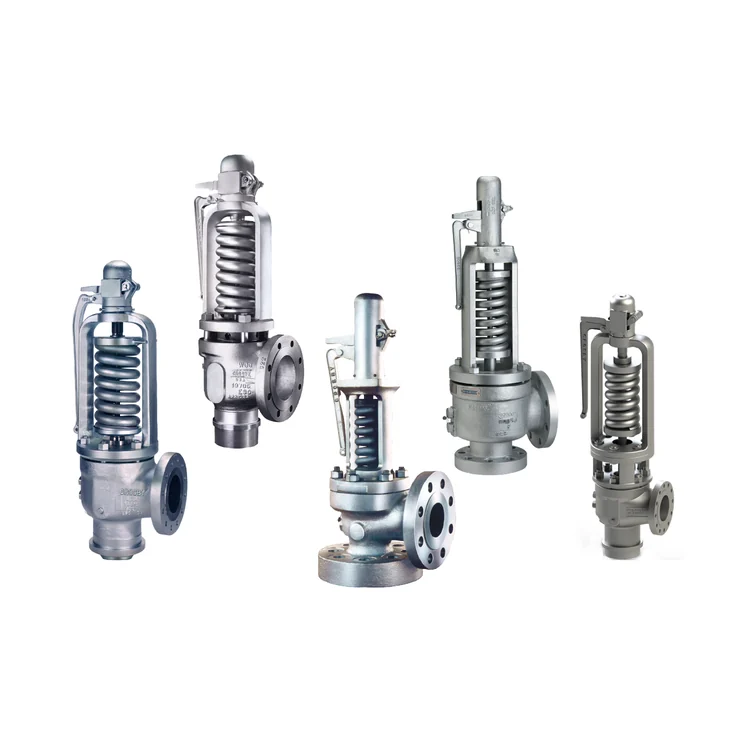
Crosby Series HSJ safety valve
Direct spring safety valve of the H Series for steam service.

Relief and safety · Crosby
Overpressure protection for boilers, superheaters and steam systems: full, immediate opening, controlled reseating and a seat designed to work close to set pressure.
A safety valve is a spring-loaded relief valve for compressible fluids that opens fully and immediately on reaching set pressure. On boilers it keeps the drum, the superheater or the reheater from exceeding maximum pressure.
The Crosby H Series covers that duty under the ASME Code, Section I and Section VIII, set and tested on steam. On steam, reseating well matters as much as opening: two adjusting rings set opening and blowdown separately, so the valve neither wastes steam nor hammers the seat.
Models
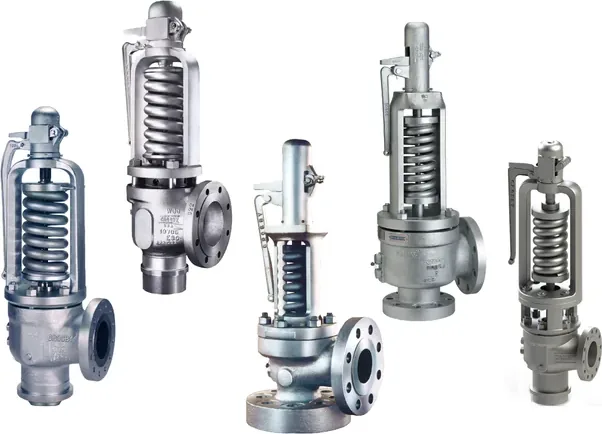
Manufacturer reference models for this type. Tell us the exact model or attach the nameplate: scope and availability are confirmed with each quotation.
Fisher
HSJ
Direct spring safety valve of the H Series for steam service.
Fisher
HCI
Style with the ISOFLEX seat, intended to stay tight close to set pressure.
Fisher
HC / HCA
ISOFLEX styles of the H Series, with an installation and maintenance manual published by the manufacturer.
Fisher
HSL
Style the manufacturer proposes for upgrading steam safety valves in service.
Brand reference models per the manufacturer’s catalog. ITS quotes new valves and genuine parts to order; it does not publish stock or prices.
How it works
The spring holds the disc against the nozzle up to set pressure. As opening starts, steam expands in the chamber formed by the disc and the adjusting rings, and the resulting force drives the disc to full lift in a single pop. The nozzle ring tunes the start of opening and the guide ring defines the blowdown, that is, how far pressure must fall before the valve reseats.
The seat is the critical point: a boiler runs close to its set pressure and any leak cuts the seat quickly. Crosby’s ISOFLEX design aims to keep the seat tight in that condition; the manufacturer publishes seat tightness up to 93% of set pressure and refers higher values to the factory.
Nozzle ring and guide ring adjustable from outside to set opening and blowdown for the service.
Seat design of the HCI, HC and HCA styles, aimed at staying tight when operating pressure is close to set pressure.
Flanged full nozzle option; inlet and outlet are defined with the boiler or vessel being protected.
Limits disc lift to match discharge capacity to the requirement without changing valve size.
Applications
ITS de Venezuela
ITS quotes new Crosby H Series valves and their genuine parts (discs, nozzles, adjusting rings, springs, guides and spindles), and looks after installed valves within its regulators and relief service: inspection, maintenance, set pressure adjustment and testing in the Puerto Ordaz workshop or on site during the outage, with the support of the Venezuela ↔ Orlando inventory. To get a quotation, send this data (if you do not have it, a photo of the nameplate helps identify the valve): style, inlet and outlet size, set pressure, steam temperature, required capacity and the location of the valve on the boiler.
Quote parts or repairMaintenance of pressure regulators and relief devices.
Valve condition assessment before deciding to repair or replace.
On-site support, shutdowns, commissioning and start-up.
Resources
The full category, the technical library and the manufacturer’s official documentation.
Category
Safety and pressure-relief valves (PSV/PRV).
Technical library
Our own documents and official Fisher links for each family.
Manufacturer
Product pages, bulletins and manuals on emerson.com.
A safety valve is meant for steam and gases: it pops open to full lift. A relief valve opens in proportion to overpressure and is typical of liquids. Many process valves combine both behaviors depending on the fluid; boilers use safety valves designed and tested for steam.
Usually the seat was marked by a particle or by a chattering reseat, or operating pressure is too close to set pressure. A small steam leak erodes the seat quickly, so it is better to schedule inspection, seat lapping and a blowdown check than to increase the spring load.
Relief and safety
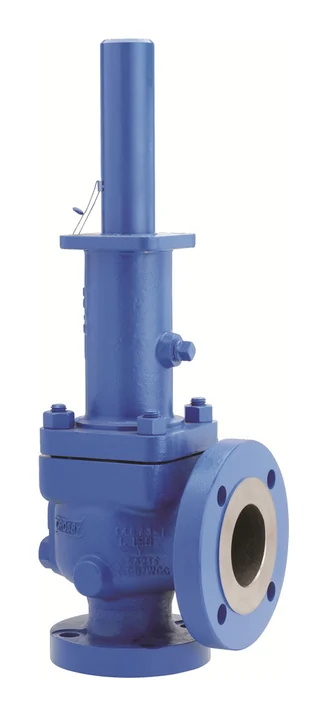
Direct spring action and a full nozzle in one design for gas, steam, liquid and two-phase flow: the reference relief valve in process plants.
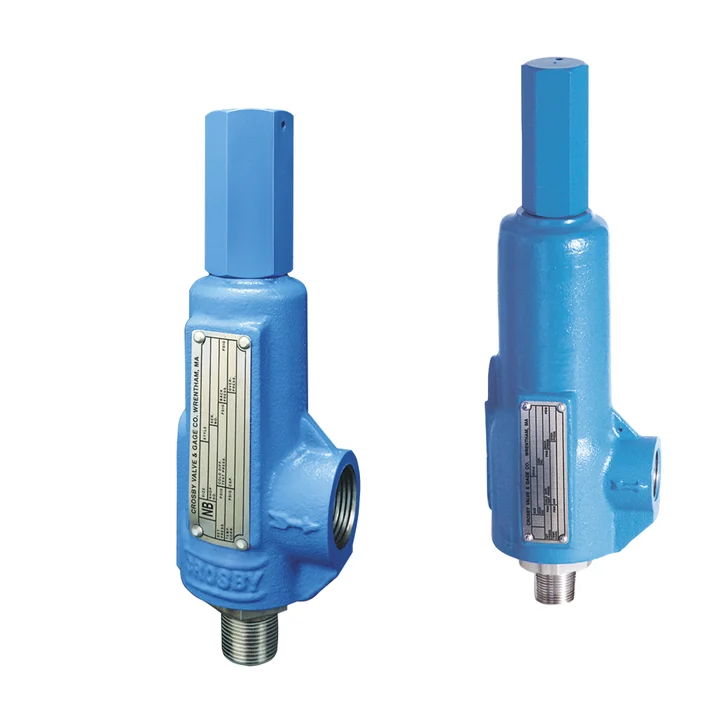
Compact, economical overpressure protection for thermal relief and small-size services, with a single trim for liquid, gas and vapor in Series 900.
Send the model, the part number or the process data. We reply with availability, lead time and delivery terms.