

Temperature transmitters
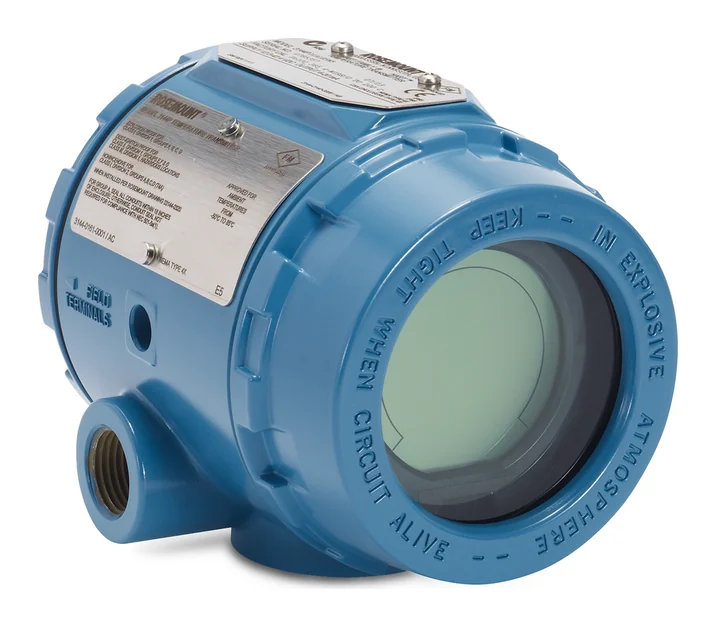
Temperature transmitters. They convert RTD and thermocouple signals into 4-20 mA, HART, fieldbus or wireless, and watch over sensor health.
- 3144P
- 3144S
- 644
- 248
- 848T
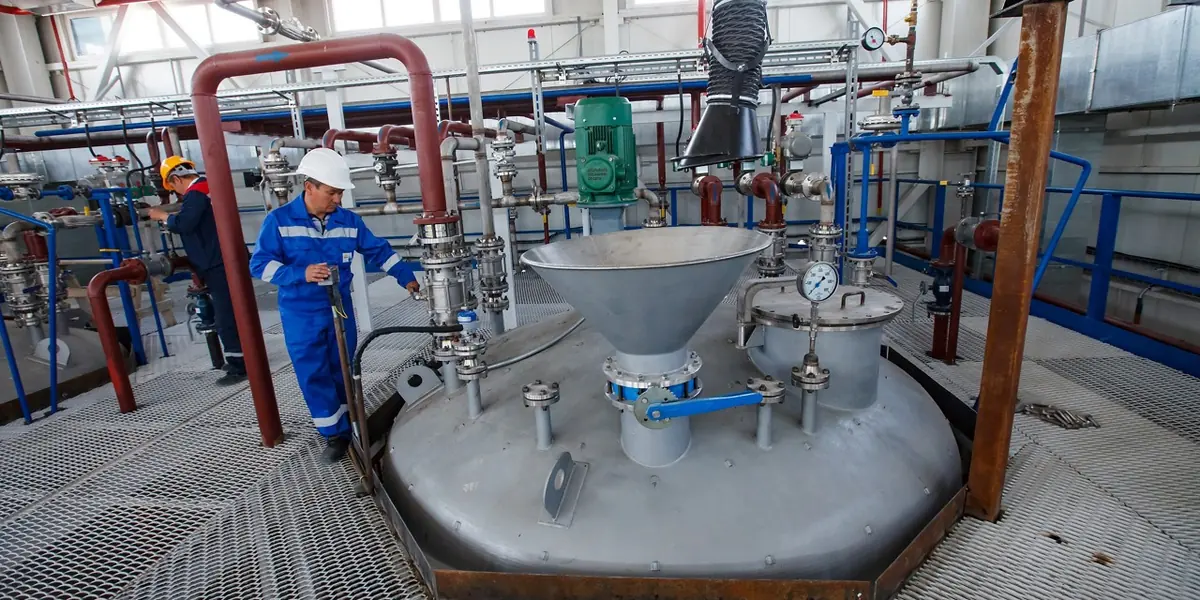
Measurement · Temperature
Temperature transmitters, RTD and thermocouple sensors, and thermowells.
A temperature measuring point combines a sensor (RTD or thermocouple), a thermowell that protects it from the process and allows removal without opening the line, and a transmitter that converts the sensor signal into 4-20 mA or a digital signal for the control system.
The RTD is accurate and stable over the range of most processes; the thermocouple covers higher temperatures and responds fast, with lower accuracy. The thermowell is sized against flow-induced vibration.
Sensor, thermowell and transmitter: three decisions for a single measurement point.
Temperature is the most measured variable in the process industry, and a small error affects efficiency, energy consumption, quality and safety. A measurement point combines a sensor, RTD or thermocouple; a thermowell that protects it and lets it be removed without opening the line; and a transmitter that delivers the signal to the control system.
When drilling into the pipe is not feasible, non-intrusive measurement calculates process temperature from the surface, and wireless transmission carries the value without running cable.
Sensors that drift without warning, thermowells that were never calculated and points that were never instrumented because of the cost of penetrating the line.
With the right sensor, a verified thermowell and a transmitter that diagnoses the measurement, the temperature point stops being an unknown.
Temperature transmitters. They convert RTD and thermocouple signals into 4-20 mA, HART, fieldbus or wireless, and watch over sensor health.
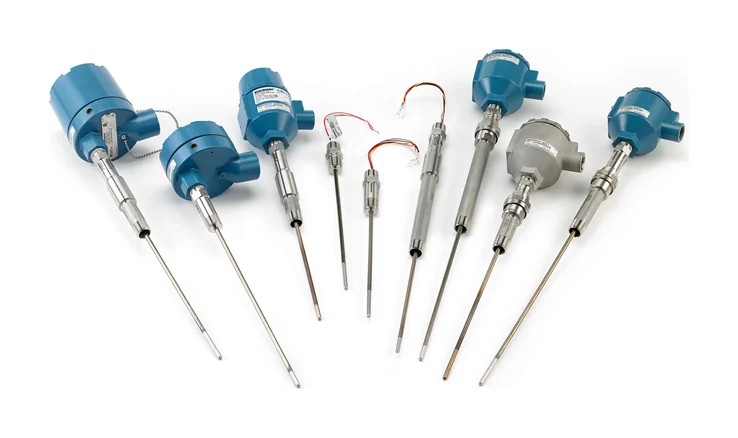
RTD and thermocouple sensors. Platinum RTDs for accuracy and stability; thermocouples for high temperature, vibration and fast response.
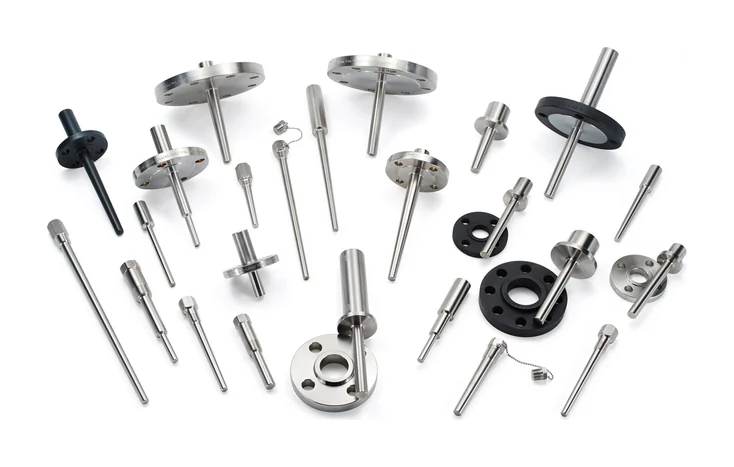
Thermowells. The well that protects the sensor from the process and lets it be removed without stopping the line, calculated against vibration.
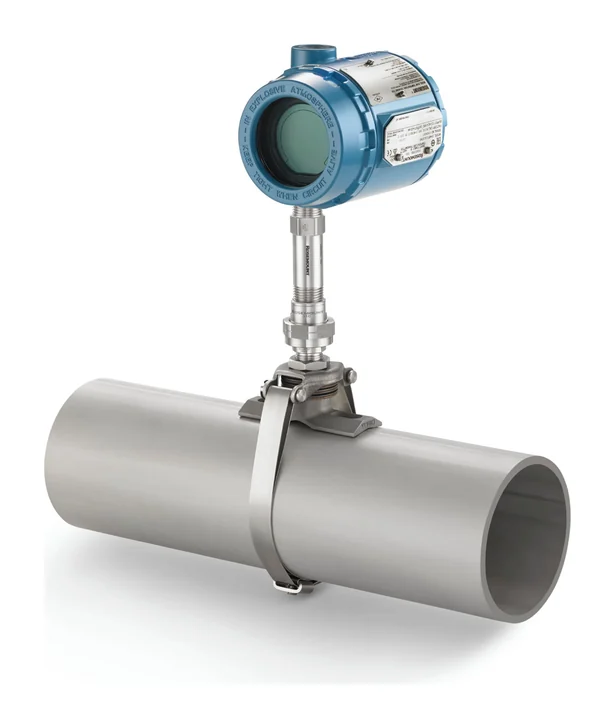
Non-intrusive and wireless temperature. Process temperature with no thermowell and no penetration, and wireless transmission for points without cable.
Families
Field-mount and head-mount temperature transmitters.
High-performance field-mount temperature transmitter.
Head-mount or field-mount temperature transmitter.
Temperature transmitter for general-purpose applications.
Reference families of the brand. Give the exact model in your request: scope and availability are confirmed with each quote.
Calibration
ITS de Venezuela calibrates these instruments in the field and in the laboratory, certified under ISO/IEC 17025:2017. Each instrument is returned with its calibration certificate.
See the calibration serviceCalibration scope
ISO/IEC 17025:2017
Brands
Service
What we do on this equipment in the shop and in the field.
Pressure, temperature, flow and volume, in the field and in the laboratory.
Configuration, diagnostics and commissioning of controllers and instruments.
On-site support, shutdowns, commissioning and start-up.
RTDs are more accurate and stable and dominate general process temperature. Thermocouples cover much higher temperatures, respond faster and are more rugged, at the cost of lower accuracy and more drift: they are used in furnaces, flue gases and high temperature.
It is the sheath that isolates the sensor from the fluid and lets you remove it without opening the process. Its calculation matters because flow generates vortex-shedding vibration: an undersized thermowell can fatigue and break. It is verified with the ASME PTC 19.3 TW standard.
Give us the range, sensor type, insertion length, process connection and signal.
