

Fisher
8705
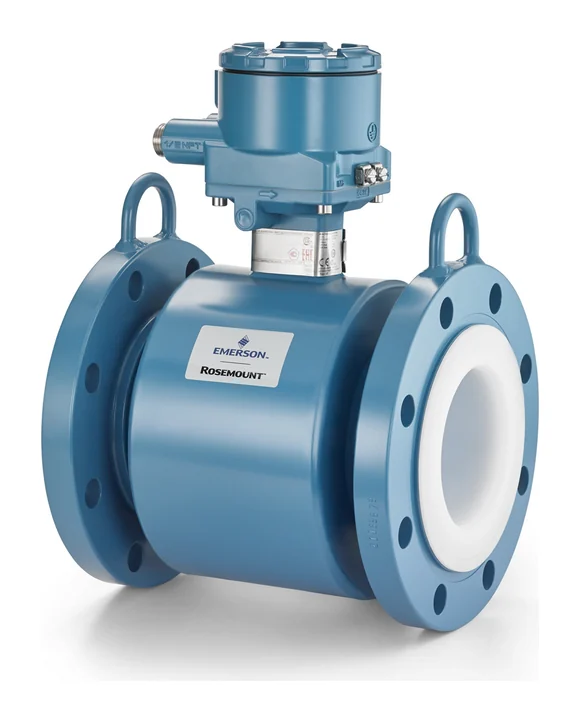
Rosemount 8705 flanged magnetic flow meter sensor
Flanged sensor with all-welded construction and a hermetic seal against moisture.
Flow · Rosemount
An unobstructed tube that measures by induction: the natural choice for water, slurries and conductive chemicals.
A magnetic, or electromagnetic, flow meter measures the flow of conductive liquids, with a typical minimum conductivity of 5 µS/cm on the standard line. It does not work on hydrocarbons or gases. Its tube stays clear, with no moving parts and no pressure drop.
It applies Faraday’s law of induction: the sensor creates a magnetic field across the pipe and the moving liquid induces a voltage proportional to its velocity. Two electrodes pick it up and the transmitter converts it into flow.
Models
Manufacturer reference models for this type. Tell us the exact model or attach the nameplate: scope and availability are confirmed with each quotation.
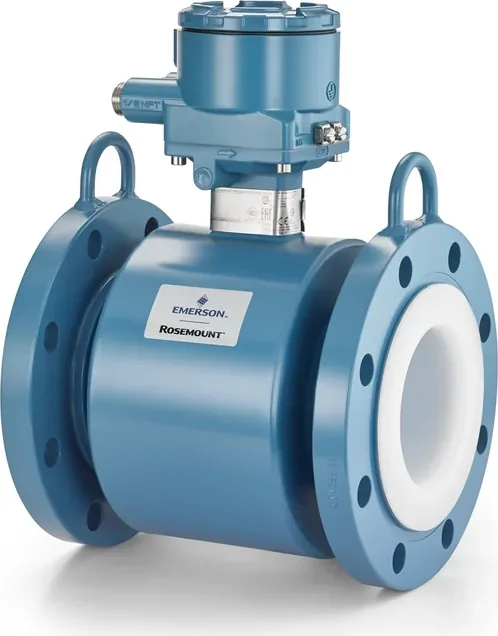
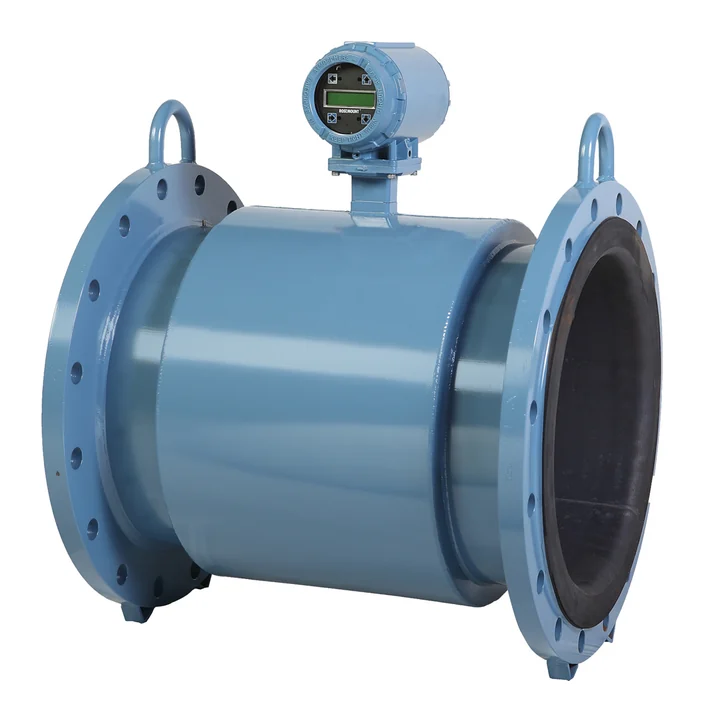
Fisher
8705
Flanged sensor with all-welded construction and a hermetic seal against moisture.
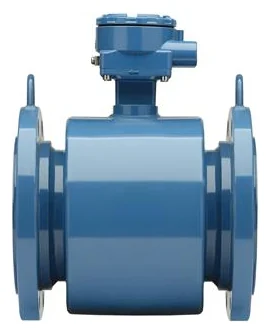
Fisher
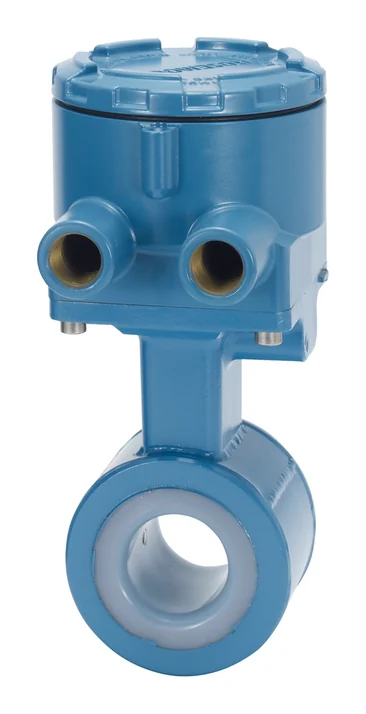
8711
Flangeless: a compact, lightweight and economical alternative to the flanged sensor.
Fisher
8750W
Designed for water and wastewater in utility services.
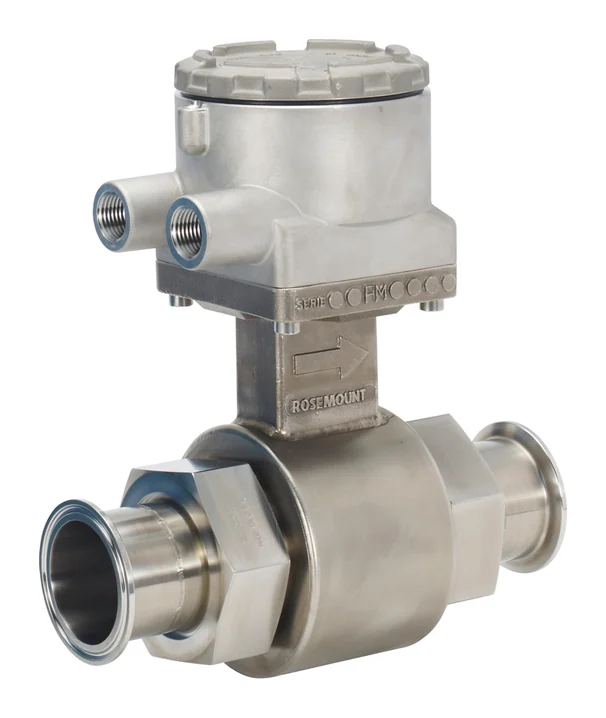
Fisher
8721
All-welded body for food, beverage and life sciences.
Fisher
MS
For sand, high solids content and long pulp fibers, paired with the 8782 transmitter.
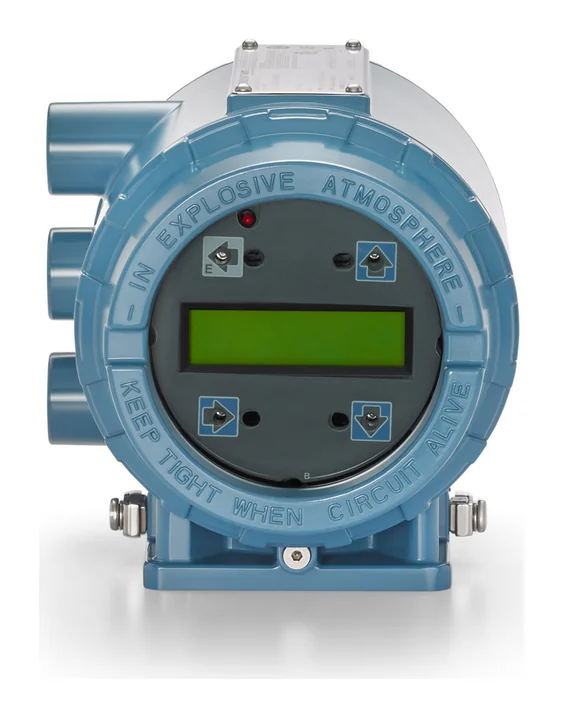
Fisher
8732E
Dual-compartment housing, advanced diagnostics and a local operator interface.
Brand reference models per the manufacturer’s catalog. ITS quotes new valves and genuine parts to order; it does not publish stock or prices.
How it works
The sensor coils generate the magnetic field and the electrodes, in contact with the liquid, measure the induced voltage. The inside of the tube is lined with an insulating material, and the combination of liner and electrodes is chosen for the chemistry, temperature and abrasiveness of the fluid.
To measure well, the pipe must be full and the flow profile stable: the manufacturer recommends five straight diameters upstream and two downstream. Proper grounding and distance from sources of electrical noise are part of the installation. The transmitters include a verification routine that checks meter health against its baseline without removing it from the pipe.
All-welded construction with a hermetic seal, for demanding process service. Wide choice of liners and electrodes.
Installed between flanges, with no flanges of its own: compact, lightweight and economical.
The 8750W targets water and wastewater in utility services; the 8721, with a welded body, targets sanitary processes.
For pulps, sand and suspended solids, where signal noise is the dominant problem.
Applications
ITS de Venezuela
We quote new Rosemount magnetic sensors and transmitters and their accessories, configure and commission the meter in the field, calibrate it through our calibration service, in the field and in the laboratory, and integrate it into the control loop. We reply with availability in Venezuela or Orlando. To quote, send the fluid and its conductivity, flow range, line size and flange class, pressure and temperature, solids content and output signal.
Quote parts or repairPressure, temperature, flow and volume, in the field and in the laboratory.
On-site support, shutdowns, commissioning and start-up.
Loops, actuation, re-engineering and equipment upgrades.
Resources
The full category, the technical library and the manufacturer’s official documentation.
Category
Coriolis, magnetic, vortex and differential pressure.
Technical library
Our own documents and official Fisher links for each family.
Manufacturer
Product pages, bulletins and manuals on emerson.com.
Conductive liquids: water, slurries, pulps, acids and caustics. The manufacturer states a typical minimum conductivity of 5 µS/cm. Hydrocarbons and gases produce no signal, so they need another technology.
For best performance, the manufacturer recommends a minimum of five pipe diameters upstream and two downstream. With less straight run the meter still operates, with a possible small shift in accuracy.
Flow
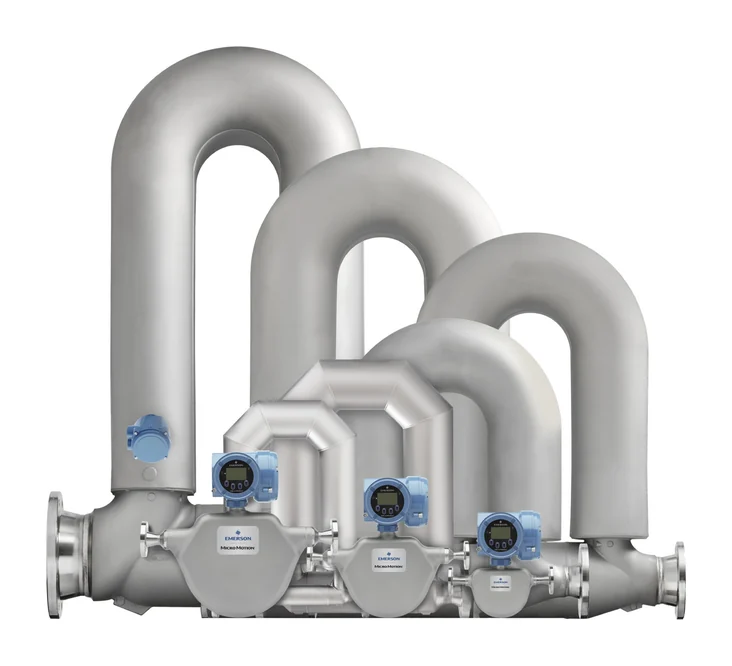
Direct mass flow, with density and temperature from the same device, for liquids, gases and slurries.
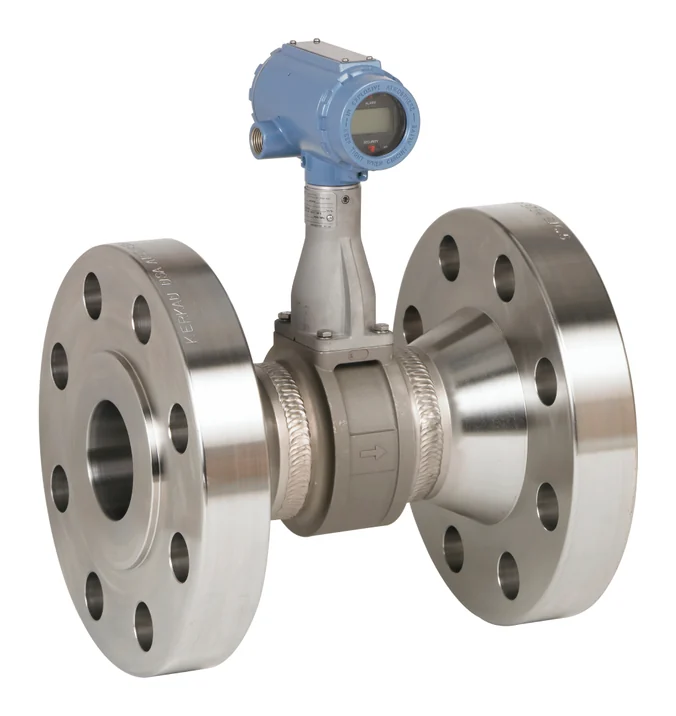
One meter for liquids, gases and steam, with no moving parts and no impulse lines.
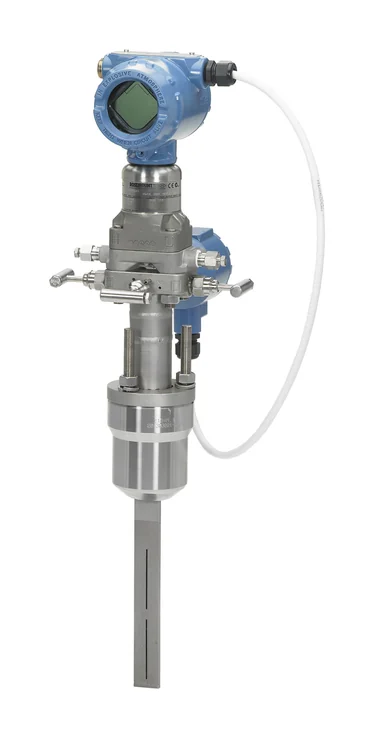
Annubar, compact and integral orifice, and orifice plates: standardized measurement for gas, liquid and steam.
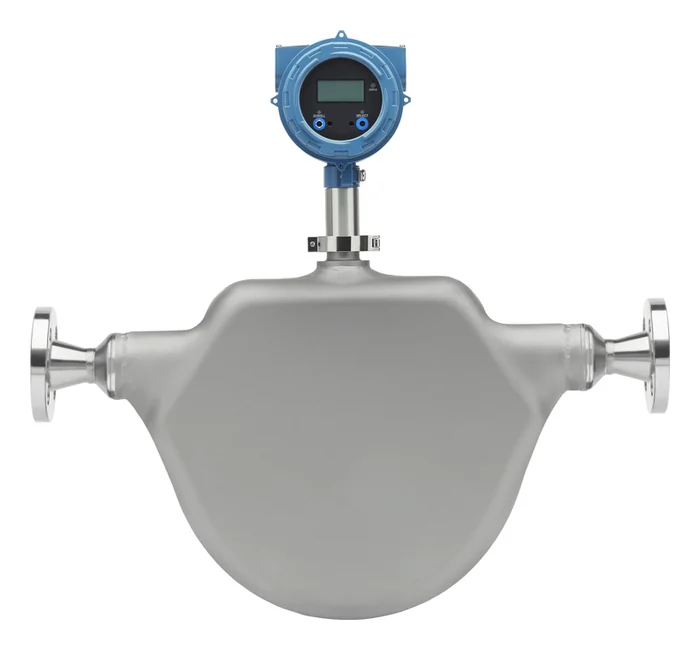
Density, concentration, specific gravity and viscosity measured in line, in real time.
Send the model, the part number or the process data. We reply with availability, lead time and delivery terms.