

Fisher
RPE-Series
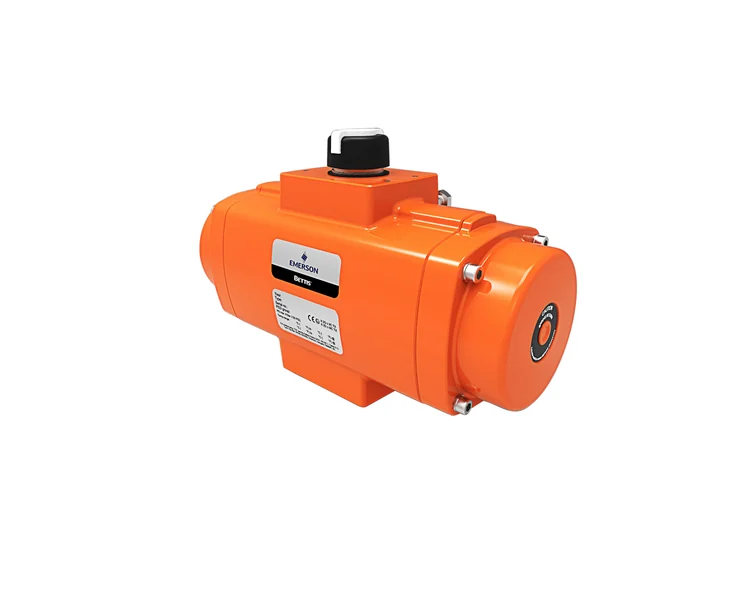
Bettis RPE-Series rack and pinion actuator
Twelve sizes in spring-return or double-acting versions, with coated body and end caps.
Actuators · Bettis
Two opposed pistons, a pinion and standardized mounting: a compact way to automate quarter-turn valves, spring-return or double-acting.
A rack and pinion actuator converts linear motion into rotation: a linear gear bar, the rack, engages a circular gear, the pinion, which connects to the valve stem to open and close the valve.
The common design uses two piston-type racks moving in opposite directions to balance the forces on the pinion, typically powered by compressed air. It is used on butterfly, ball and plug valves; Bettis covers it with the RPE and RPX series, and Hytork with the XL series.
Models
Manufacturer reference models for this type. Tell us the exact model or attach the nameplate: scope and availability are confirmed with each quotation.
Fisher
RPE-Series
Twelve sizes in spring-return or double-acting versions, with coated body and end caps.
Fisher
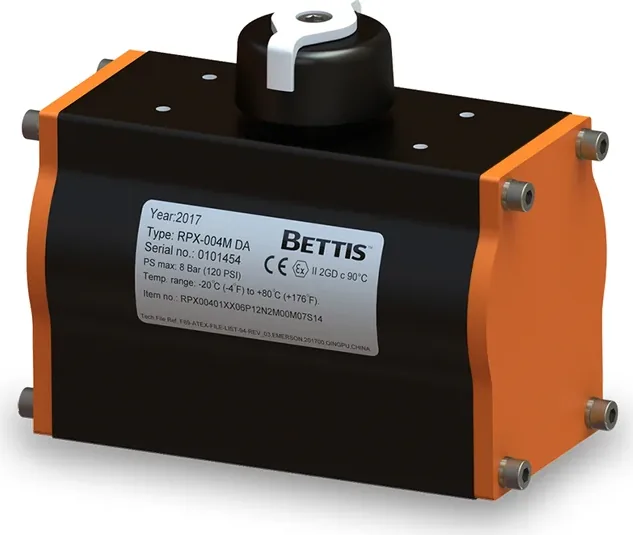
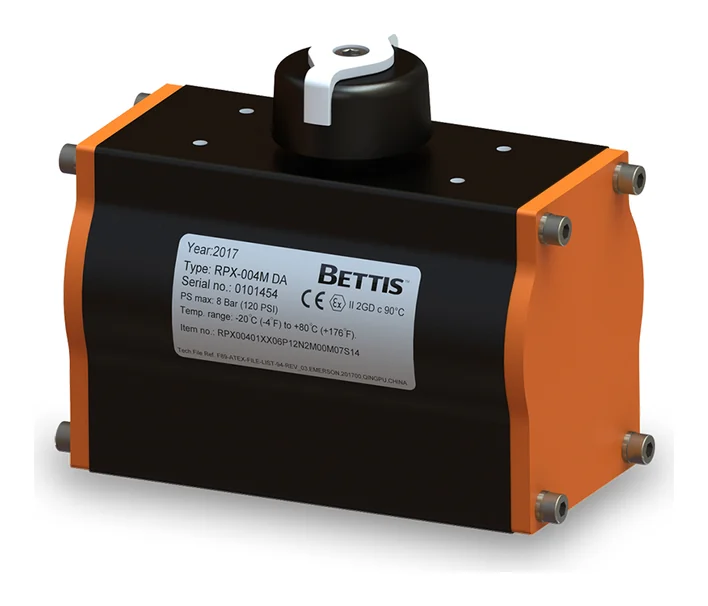
RPX-Series
Thirteen sizes in spring-return or double-acting versions, for low maintenance and long cycle life.
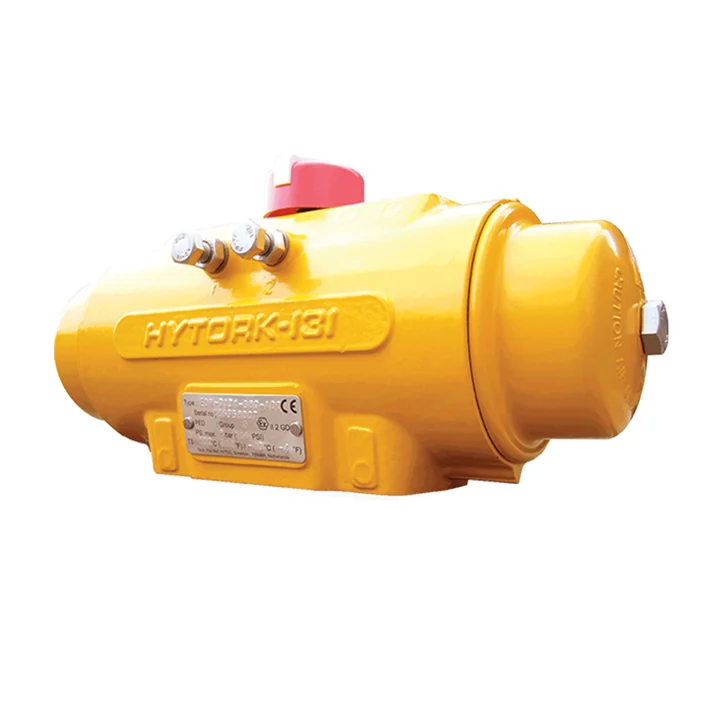
Fisher
Excel (XL)
Modular, in twelve sizes, field-convertible between double-acting and spring-return.
Brand reference models per the manufacturer’s catalog. ITS quotes new valves and genuine parts to order; it does not publish stock or prices.
How it works
There are two constructions. Spring-return serves fail-safe applications and is assembled to close or to open on loss of air. Double-acting uses air in both directions and allows a fail-in-last-position function.
On the RPX series, the springs sit in cartridges that allow safe and quick conversion of the spring set to match the available torque and pressure, and dual travel stops give fine adjustment of the open and closed positions. The double rack and pinion design cancels side loads on the pinion shaft, which reduces bearing wear and extends service life.
For a defined safe position: the actuator is assembled to close or to open on loss of air.
Air in both directions, with the option of staying in the last position if supply is lost.
Corrosion-protected aluminum body, adjustable travel stops at both ends and, on the RPX, ISO 5211 and DIN 3337 mounting with NAMUR interfaces for solenoid and accessories.
Modular actuator with a coated, high-strength aluminum casting body, designed for demanding on/off applications in difficult environments.
Applications
ITS de Venezuela
We quote new Bettis and Hytork actuators, spring sets and genuine seal kits, and deliver the assembly mounted on the valve with solenoid, position switches or positioner. In our Puerto Ordaz workshop and in the field we replace seals and springs, adjust the travel stops and test the stroke. Parts are managed through the Venezuela ↔ Orlando inventory. For a quotation, send the valve type and size, the required torque, the available air pressure, the failure action and the nameplate model if it is a replacement.
Quote parts or repairLoops, actuation, re-engineering and equipment upgrades.
On-site support, shutdowns, commissioning and start-up.
Critical spares identified and available before the shutdown.
Resources
The full category, the technical library and the manufacturer’s official documentation.
Category
Pneumatic, electric and hydraulic valve automation.
Technical library
Our own documents and official Fisher links for each family.
Manufacturer
Product pages, bulletins and manuals on emerson.com.
Spring-return gives a mechanical safe position: on loss of air, the springs close or open the valve depending on how the actuator is assembled. Double-acting uses air in both directions and allows staying in the last position. The choice follows what the process needs to happen when supply is lost.
The torque the valve requires over its travel, with its margin, the minimum available air pressure and the failure action. With that data the actuator size is chosen and, for spring-return, the spring set.
Actuators
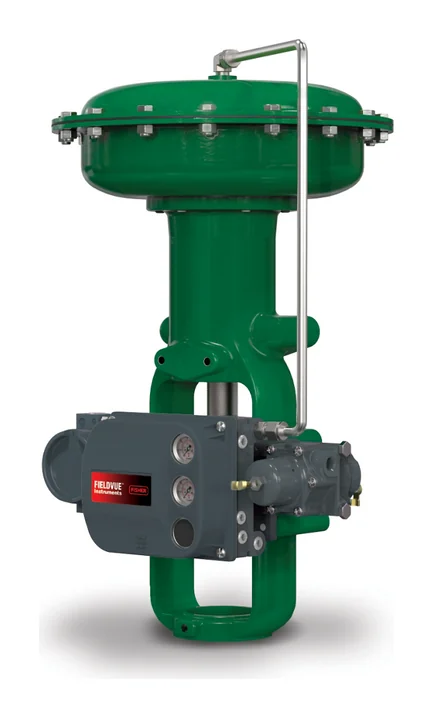
The most widely used actuator on control valves: air pushes a diaphragm against a spring and, if the air fails, the spring drives the valve to its safe position.
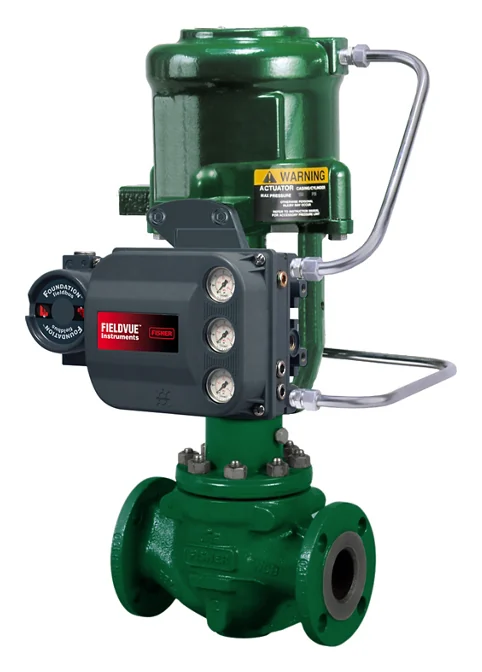
More thrust and stiffness than a diaphragm: air acts on a piston to move large valves or valves with high pressure drops.
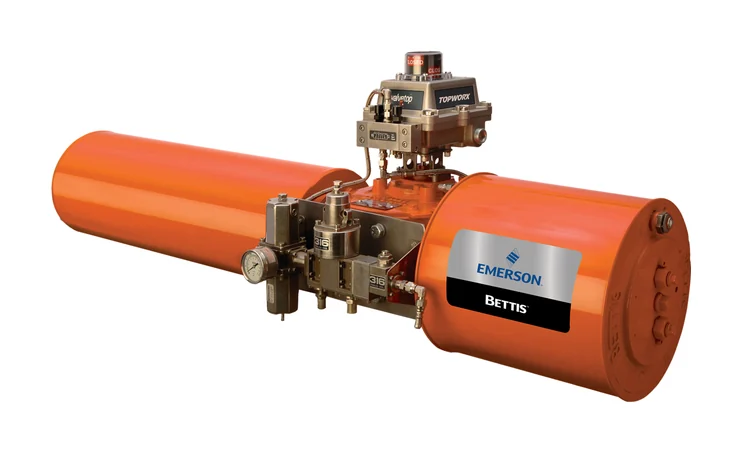
Quarter-turn with torque where the valve needs it: the yoke turns piston thrust into rotation for ball, butterfly and plug valves.
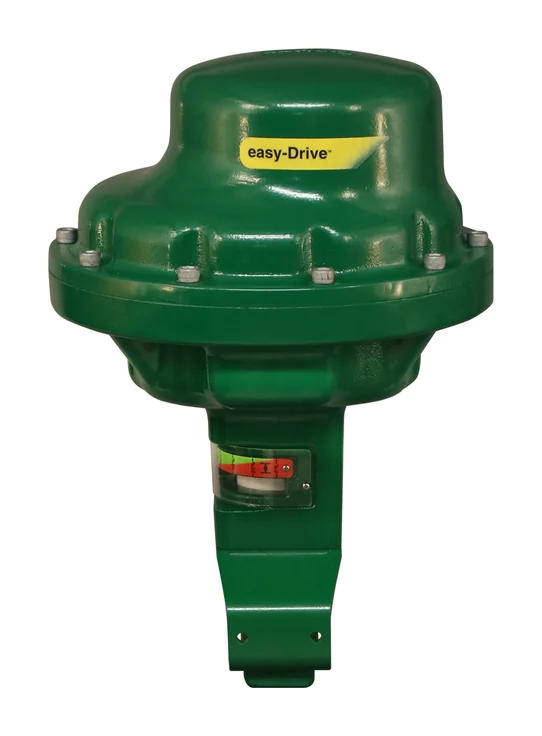
An electric motor instead of air: throttling or on/off control where there is no instrument air, with no gas vented to the atmosphere.
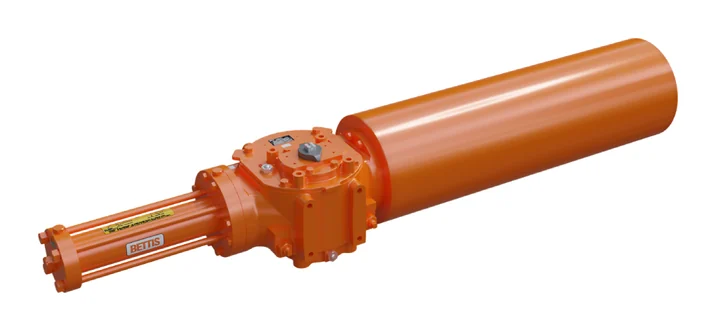
High torque and fast response for large, high-pressure and emergency shutdown valves.
Send the model, the part number or the process data. We reply with availability, lead time and delivery terms.