

Fisher
1199
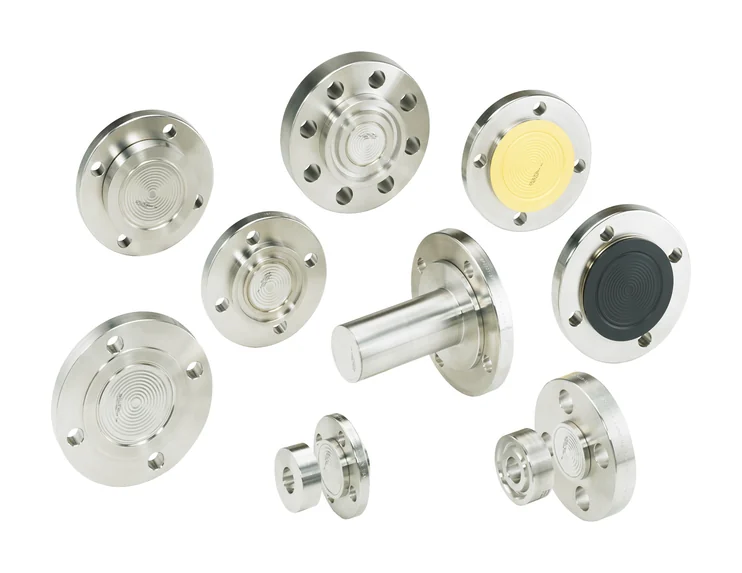
Rosemount 1199 diaphragm seal system
Flanged and threaded seals for differential, gage and absolute pressure transmitters.
Pressure · Rosemount
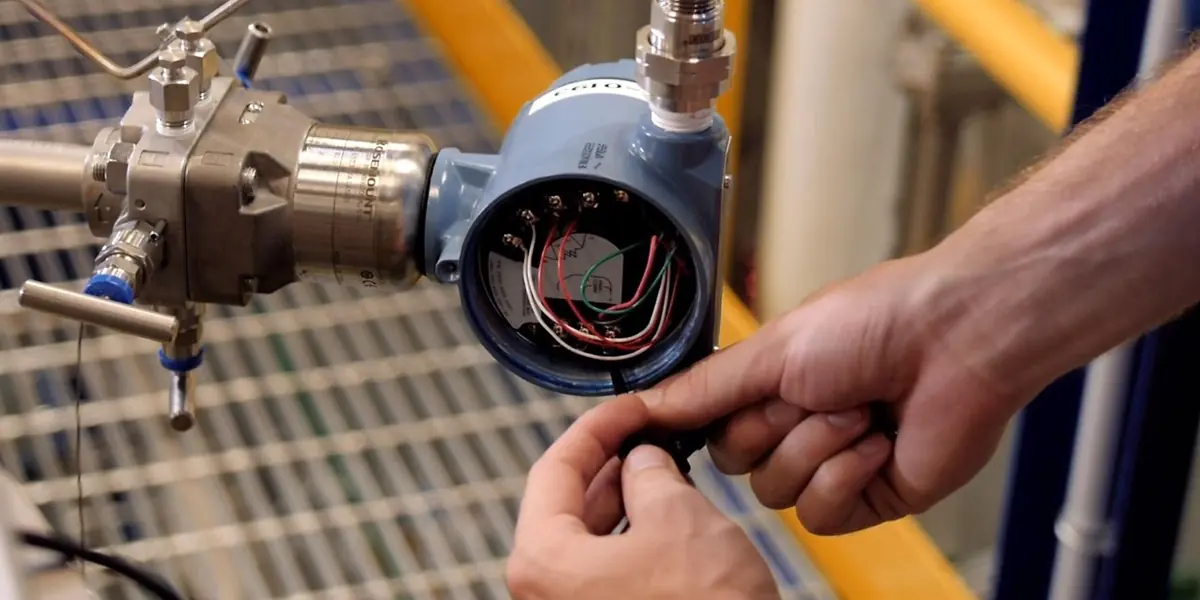
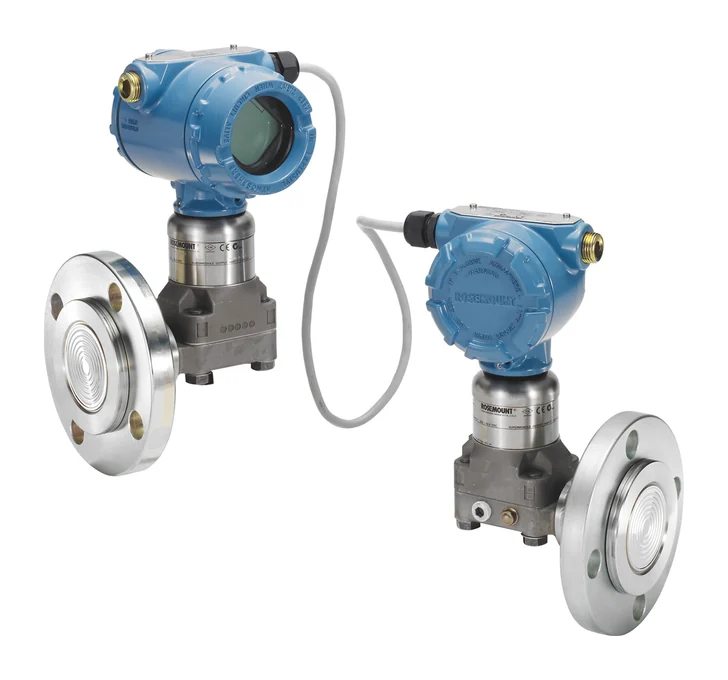
A diaphragm and a fill fluid between the process and the sensor: the way to measure hot, corrosive, viscous or solids-laden fluids.
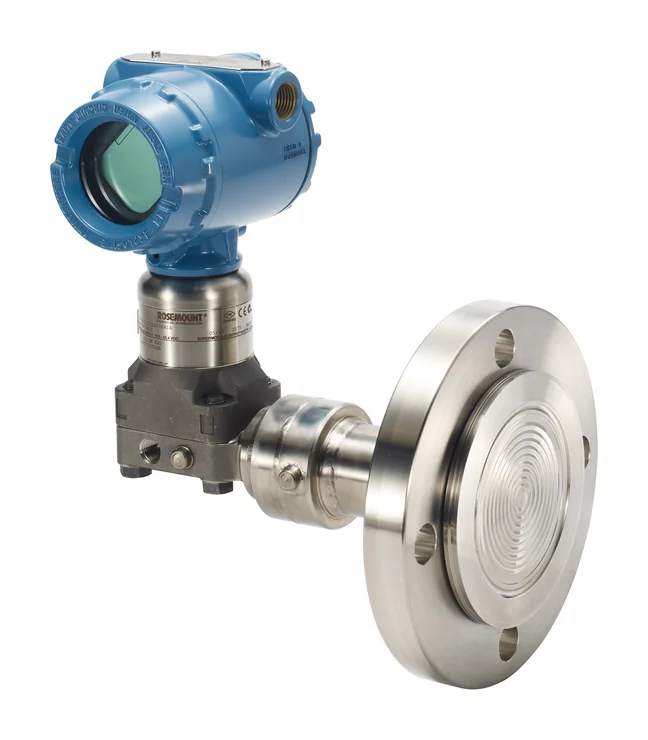
A diaphragm seal system protects the transmitter from hot, cold, corrosive, erosive or viscous processes. Rosemount fits it to differential, gage and absolute pressure transmitters, directly or with a capillary.
A thin diaphragm transmits pressure to the sensor through a fill fluid, leaving it isolated from the process. On tall columns and tanks, the electronic ERS system measures with two sensors and avoids capillaries and impulse lines.
Models
Manufacturer reference models for this type. Tell us the exact model or attach the nameplate: scope and availability are confirmed with each quotation.
Fisher
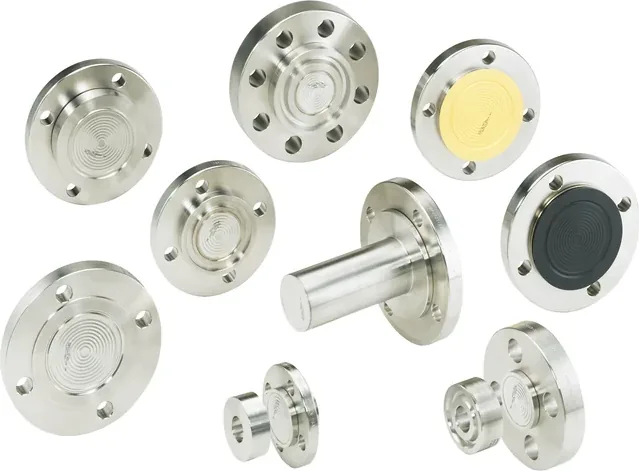
1199
Flanged and threaded seals for differential, gage and absolute pressure transmitters.
Fisher
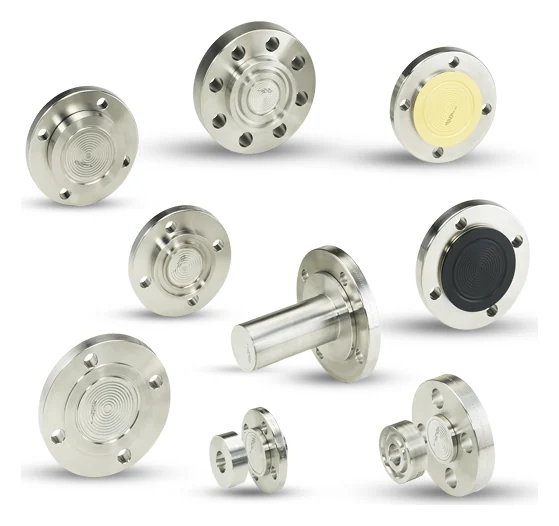
1299
Seal system to which Emerson lets you convert 1199 model codes.
Fisher
3051S ERS
Two pressure sensors linked by an electrical cable: no capillaries and no impulse lines.
Fisher
319
Compact ring to clean the diaphragm without removing the seal.
Fisher
Thermal Range Expander
Extends the seal system range for extreme process and ambient temperatures.
Brand reference models per the manufacturer’s catalog. ITS quotes new valves and genuine parts to order; it does not publish stock or prices.
How it works
The system is filled and sealed at the factory: diaphragm, capillary, fill fluid and transmitter form a single assembly. The fill fluid is selected for the process and ambient temperatures, because its expansion and viscosity determine the temperature error and the response time.
System configuration matters as much as the transmitter. According to the manufacturer, tuned systems, with direct mounting on one side and a capillary on the other, reduce temperature effects by 10% to 20% and improve response time by 80% compared with traditional installations.
The seal is coupled to the transmitter, with no capillary: the fastest response and the smallest ambient temperature effect.
The capillary separates the transmitter from the measurement point. Two equal capillaries form a balanced system for differential pressure and level.
The thermal range expander addresses temperatures up to 410 °C and as low as −75 °C. The 319 flushing rings clean the diaphragm without removing the seal.
Two synchronized sensors, linked by an electrical cable, calculate differential pressure. Heat tracing of capillaries and impulse lines is eliminated.
Applications
ITS de Venezuela
We quote new Rosemount seal systems, transmitters with seals and ERS systems, with their flushing rings and accessories; we install and commission the assembly in the field, calibrate it through our calibration service, in the field and in the laboratory, and integrate it into the control loop. We reply with availability in Venezuela or Orlando. To quote, send the fluid, process and ambient temperatures, pressure, measuring range, connection and flange size, distance between taps and diaphragm material, or the installed model code.
Quote parts or repairPressure, temperature, flow and volume, in the field and in the laboratory.
On-site support, shutdowns, commissioning and start-up.
Loops, actuation, re-engineering and equipment upgrades.
Resources
The full category, the technical library and the manufacturer’s official documentation.
Category
Gauge, absolute and differential transmitters.
Technical library
Our own documents and official Fisher links for each family.
Manufacturer
Product pages, bulletins and manuals on emerson.com.
The ERS system uses two independent pressure transmitters, so its range is specified for the maximum static pressure rather than the differential pressure. As a general guide it suits tall vessels and columns, where long capillaries suffer from ambient temperature; the manufacturer recommends sizing each application to know the actual accuracy.
The seal isolates the transmitter from the fluid and replaces the impulse line with a filled, sealed capillary: it does not plug, does not freeze with the product and needs no purging. In exchange, the system must be calculated for the actual temperature and distance.
Pressure
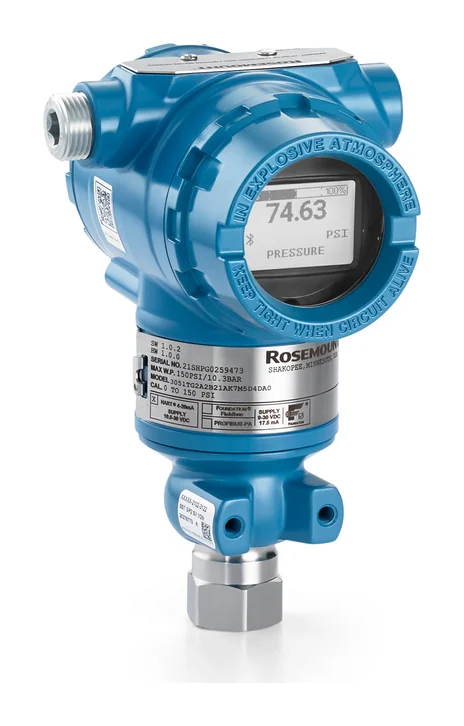
Gauge, absolute and differential pressure, Coplanar or in-line, with HART, fieldbus or wireless.
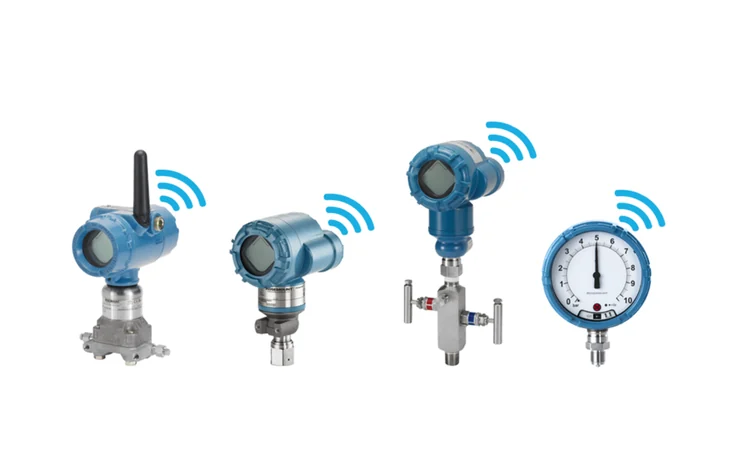
Transmitters and gauges with WirelessHART for the points where running cable is not justified.
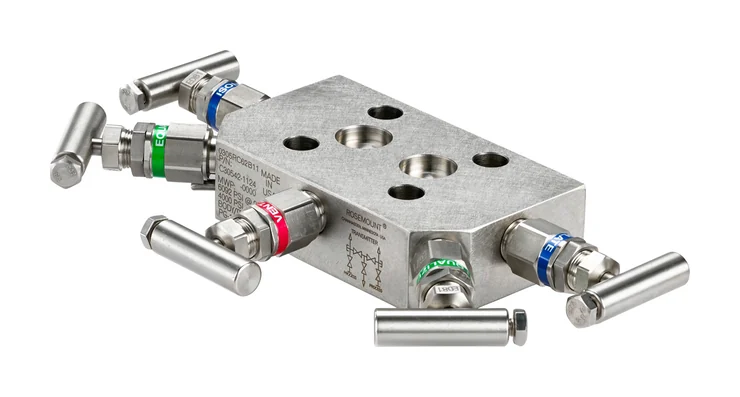
Isolation, equalization and venting of the transmitter in one compact block, assembled and tested with it.
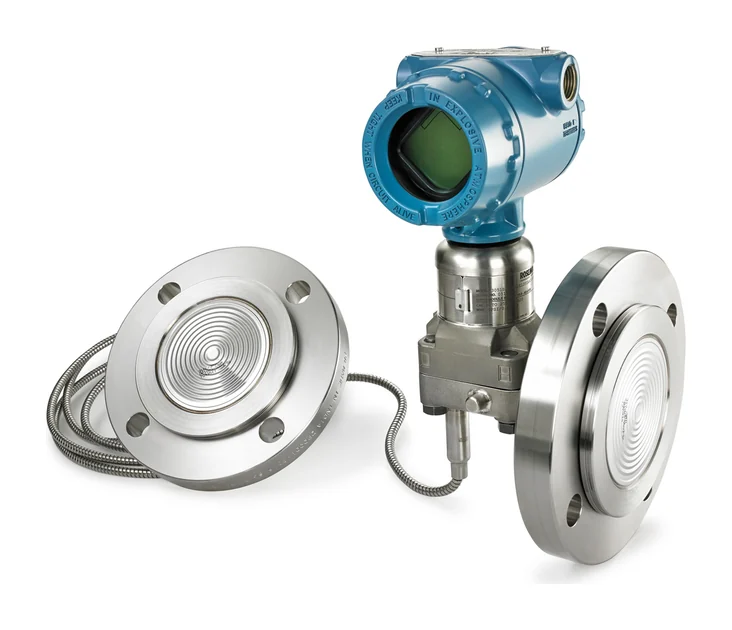
Level from hydrostatic head, in open and pressurized tanks, with seals or remote sensors.
Send the model, the part number or the process data. We reply with availability, lead time and delivery terms.