

Fisher
305
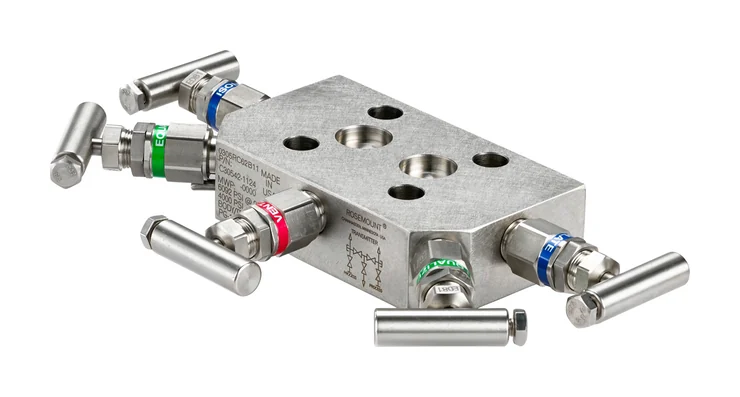
Rosemount 305 integral manifold
Coplanar style: the transmitter module mounts directly on the manifold.
Pressure · Rosemount
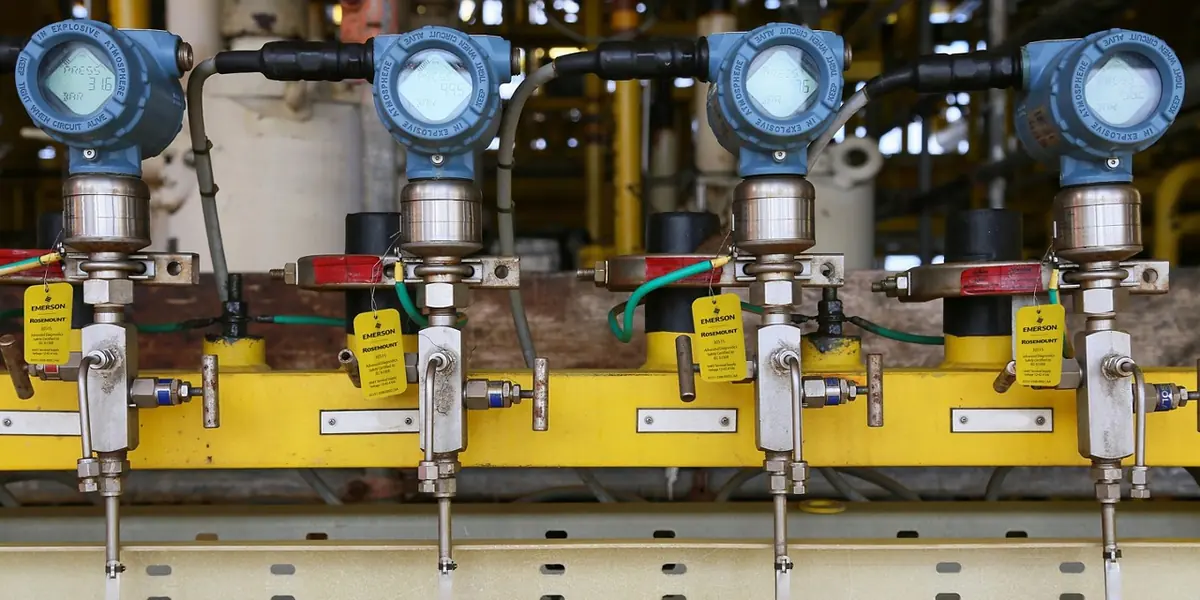
The part that lets you calibrate and replace a transmitter without stopping the process.
An instrument manifold brings together in one block the valves to isolate, vent and equalize a pressure instrument: transmitters, gauges or transducers. Rosemount supplies it assembled to the transmitter as a leak-tight unit.
It lets you block the process, relieve trapped pressure and equalize the chambers of a differential transmitter before zeroing, calibrating or removing it, without working on the line. Styles are Coplanar, in-line and conventional, at a standard or enhanced level.
Models
Manufacturer reference models for this type. Tell us the exact model or attach the nameplate: scope and availability are confirmed with each quotation.
Fisher
305
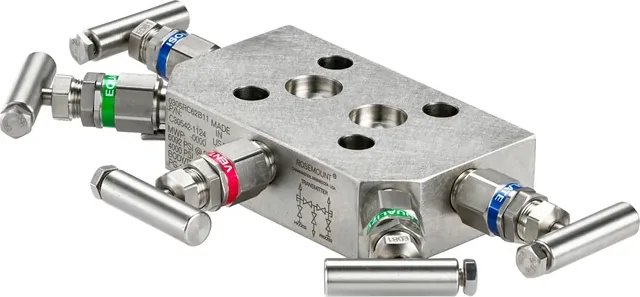
Coplanar style: the transmitter module mounts directly on the manifold.
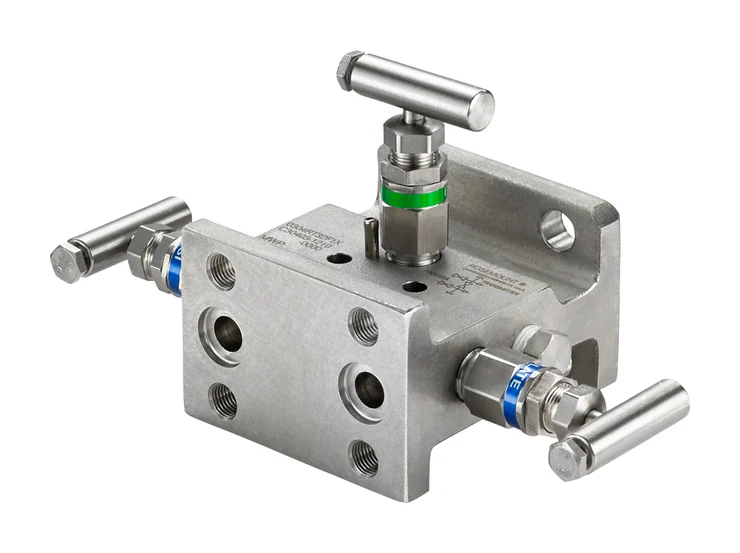
Fisher
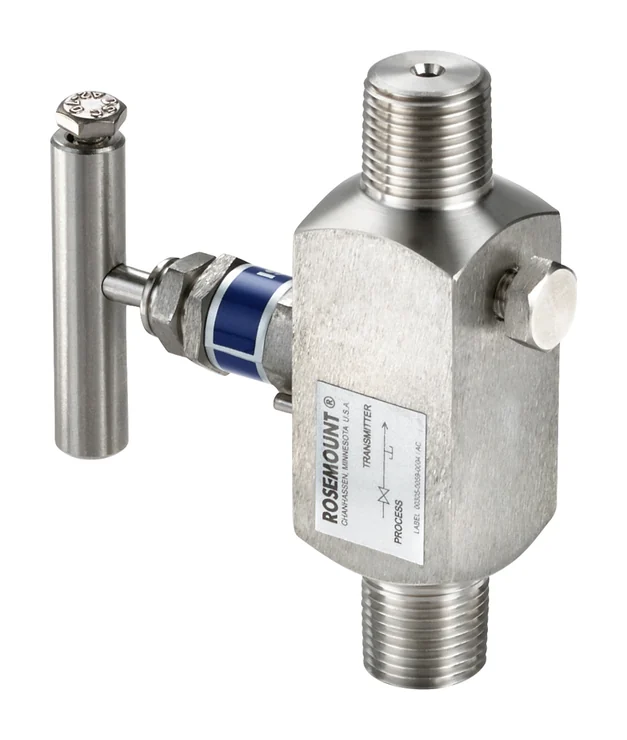
304
Joins the transmitter through an adapter flange; fits existing process connections.
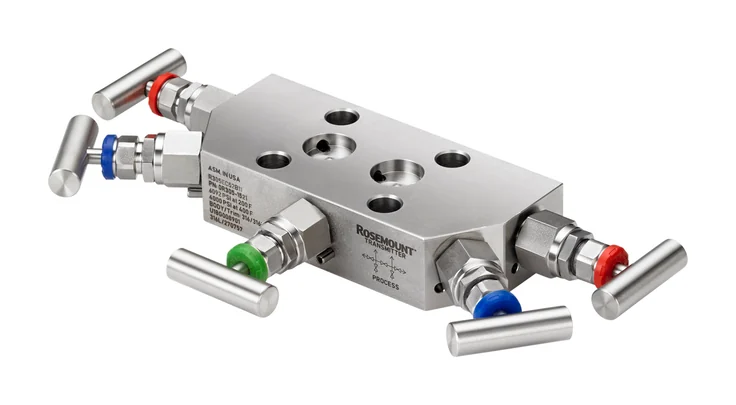
Fisher
R305
Coplanar version with Pressure-Lock valves: lower operating torque and a larger internal bore.
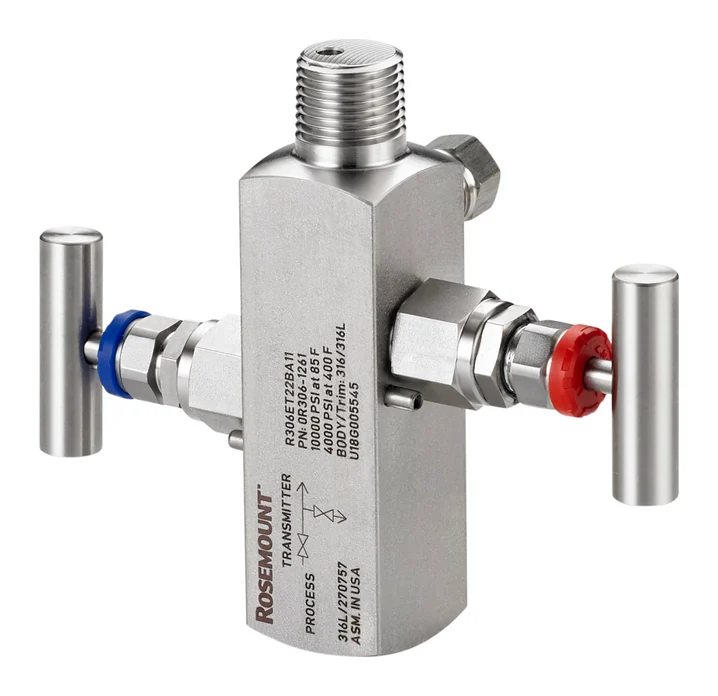
Brand reference models per the manufacturer’s catalog. ITS quotes new valves and genuine parts to order; it does not publish stock or prices.
How it works
The valve pattern depends on the measurement. A gauge or absolute transmitter needs block and vent. A differential one adds the equalizing valve between the high and low sides, and patterns with more valves include independent vents or drains for in-place calibration.
Body and seat materials are chosen for the fluid. The manifold type is defined by the transmitter flange and the existing process taps, and in some services by the applicable code, such as ASME B31.1 in power or the requirements of natural gas custody transfer.
The transmitter module mounts directly on the manifold, with no intermediate flange: the most compact assembly, with the fewest leak points.
Block and vent for transmitters with an in-line threaded connection, for gauge or absolute pressure.
Uses an additional flange to adapt the transmitter module to the process connection; it fits existing installations.
The R305 and R306 carry Pressure-Lock valves, with lower operating torque, safety back seating and a larger internal bore. There are also natural gas versions with a five-valve pattern and soft seats.
Applications
ITS de Venezuela
We quote new Rosemount manifolds, loose or assembled to the transmitter, and their mounting accessories; we install and commission the assembly in the field, calibrate the transmitter through our calibration service, in the field and in the laboratory, and integrate it into the control loop. We reply with availability in Venezuela or Orlando. To quote, send the transmitter model, measurement type, number of valves, material, process connection and fluid, or the model code of the installed manifold.
Quote parts or repairPressure, temperature, flow and volume, in the field and in the laboratory.
On-site support, shutdowns, commissioning and start-up.
Loops, actuation, re-engineering and equipment upgrades.
Resources
The full category, the technical library and the manufacturer’s official documentation.
Category
Gauge, absolute and differential transmitters.
Technical library
Our own documents and official Fisher links for each family.
Manufacturer
Product pages, bulletins and manuals on emerson.com.
Three connection styles: Coplanar, where the transmitter module mounts directly on the manifold; conventional, which uses an additional flange to adapt it to the process connection; and in-line, for threaded gauge or absolute pressure transmitters.
They incorporate Pressure-Lock valve technology: lower operating torque, safety back seating for the operator, larger internal channels that resist plugging and removable handles to prevent unwanted tampering.
Pressure
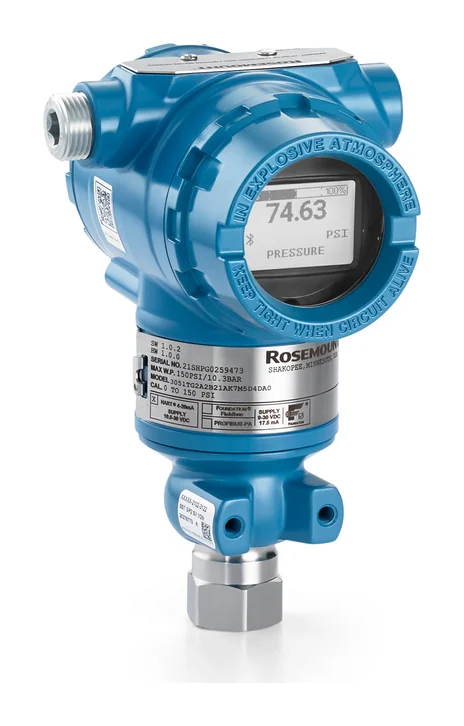
Gauge, absolute and differential pressure, Coplanar or in-line, with HART, fieldbus or wireless.
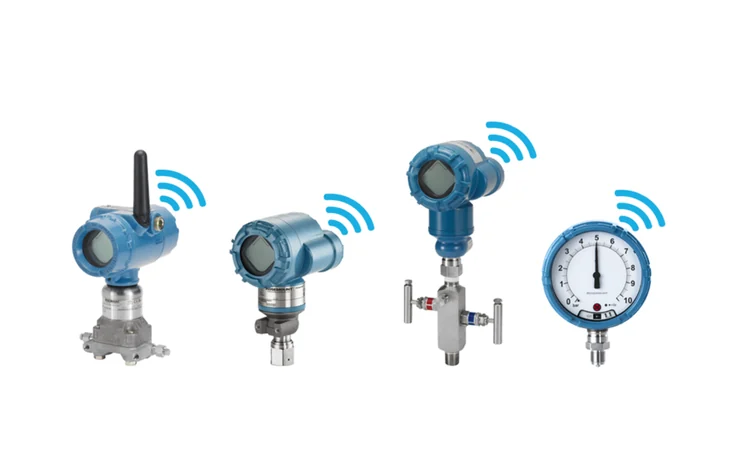
Transmitters and gauges with WirelessHART for the points where running cable is not justified.
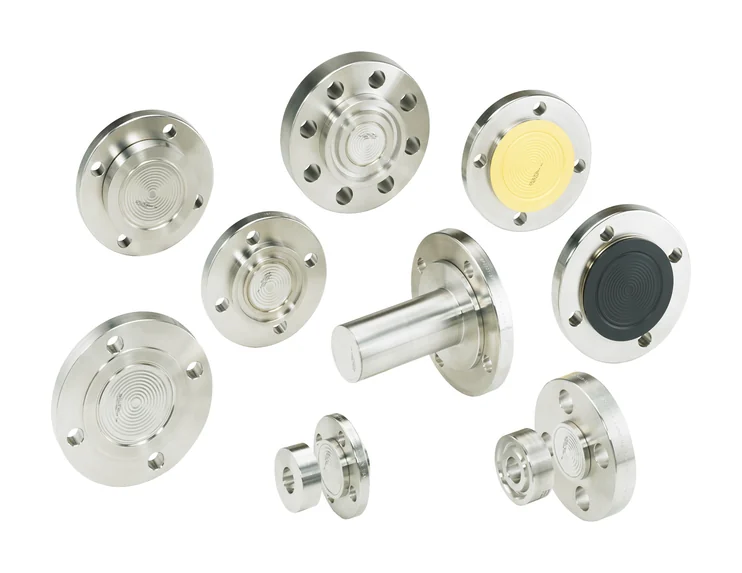
Remote seals and electronic remote sensors to measure where the transmitter cannot touch the fluid.
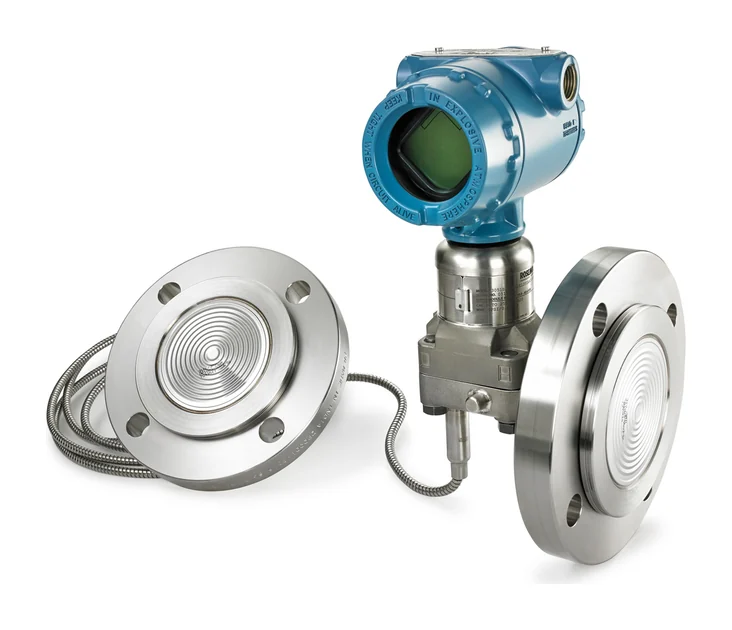
Level from hydrostatic head, in open and pressurized tanks, with seals or remote sensors.
Send the model, the part number or the process data. We reply with availability, lead time and delivery terms.