

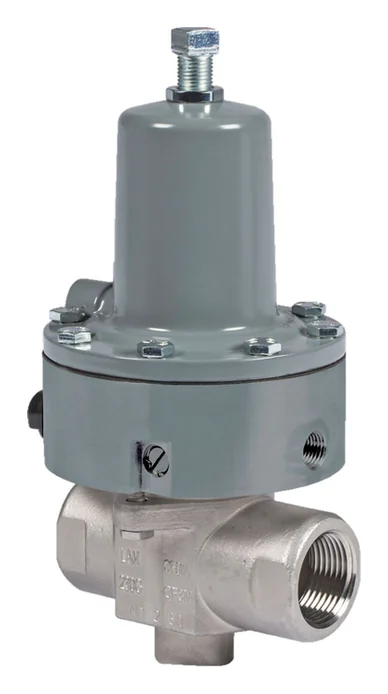
Fisher
119EZ
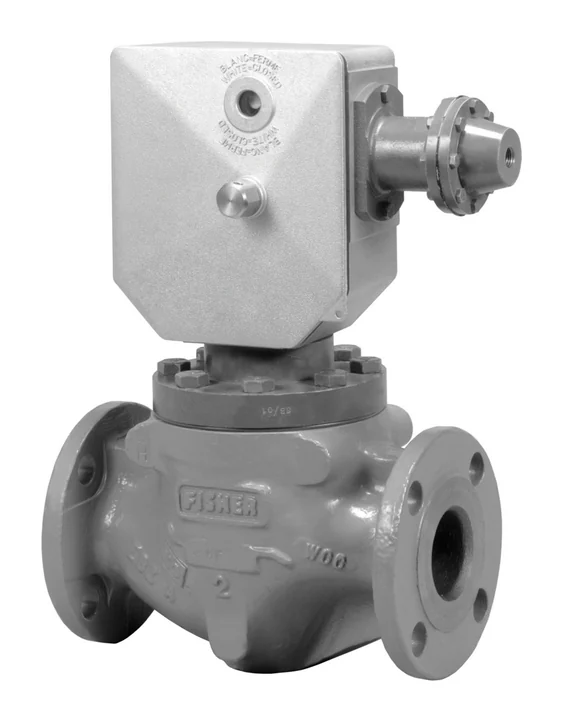
Fisher Type 119EZ fuel gas valve
For natural-draft burners, with a built-in speed controller to tune opening.
View bulletin
Regulators · Fisher
The valve that admits gas to the main burner on fired production equipment: compact, low-leakage and with tunable opening for stable ignition.
The fuel gas valve carries out the burner management system command on fired heaters, treaters and reboilers: it is a normally closed diaphragm valve that opens on control pressure and closes by spring when it is lost.
The Fisher Types 119EZ and 119EZS serve oil and gas natural-draft burners. Their speed controller tunes the opening to help ensure ignition of the main burner, and the 119EZS adds a solenoid valve for automated systems.
Models
Manufacturer reference models for this type. Tell us the exact model or attach the nameplate: scope and availability are confirmed with each quotation.
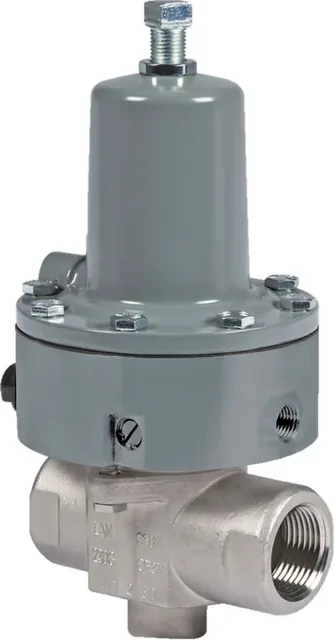
Fisher
119EZ
For natural-draft burners, with a built-in speed controller to tune opening.
View bulletin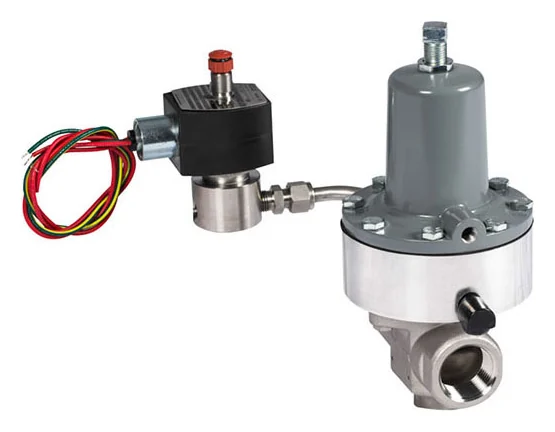
Fisher
119EZS
Variant with solenoid valve for automated burner systems.
View bulletin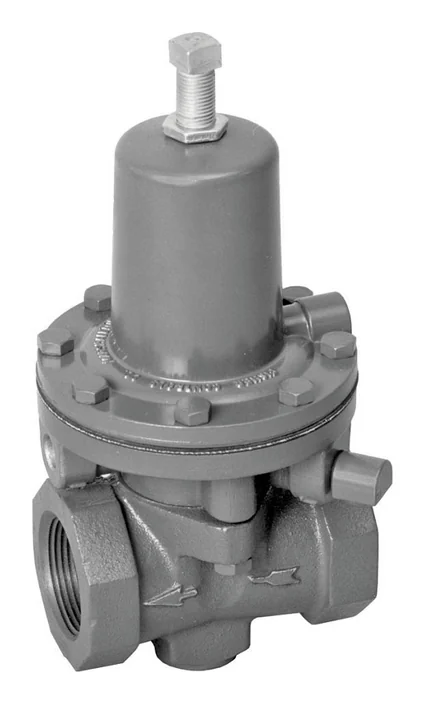
Fisher
119
On-off or throttling control of noncorrosive or mildly corrosive gases at low pressure.
View bulletinBrand reference models per the manufacturer’s catalog. ITS quotes new valves and genuine parts to order; it does not publish stock or prices.
How it works
A spring holds the disk against the orifice and the valve closed. When the temperature controller or burner management system applies pressure on the diaphragm, it overcomes the spring and opens the gas passage. When the signal is removed, the spring closes the valve: the failure position is closed, as a fuel gas train requires.
On a natural-draft burner, abrupt opening can blow out the pilot or cause a violent light-off; opening that is too slow delays ignition. The built-in speed controller of the 119EZ regulates the opening rate so that gas arrives progressively and the main burner lights from the pilot.
Fuel gas valve with built-in speed controller, on the compact Type 119 platform.
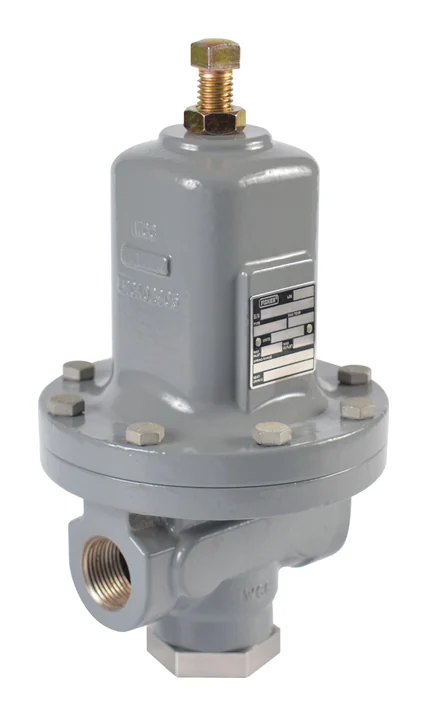
The 119EZ with a solenoid valve, for burner management systems with electrical control.
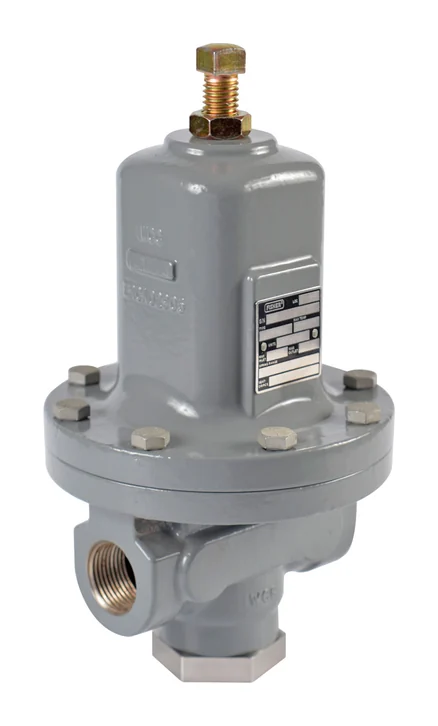
Switching valve for on-off or throttling control in low-pressure gas applications.
Diaphragm, disk, orifice and springs shared between the 119 and the 119EZ, which reduces the spare parts inventory.
Applications
ITS de Venezuela
ITS quotes new Fisher 119, 119EZ and 119EZS valves and their genuine parts (diaphragms, disks, orifices and springs), and services installed fuel gas trains: field checks and adjustment, soft parts replacement and leak testing in the Puerto Ordaz workshop, with the support of the Venezuela ↔ Orlando inventory. To get a quotation, send this data: gas and its condition, inlet pressure, flow or burner duty, connection size and type, control signal pressure and whether the system uses a solenoid; or the nameplate model if it is a replacement.
Quote parts or repairMaintenance of pressure regulators and relief devices.
On-site support, shutdowns, commissioning and start-up.
Critical spares identified and available before the shutdown.
Resources
The full category, the technical library and the manufacturer’s official documentation.
Category
Pressure-reducing, backpressure, fuel gas and slam-shut.
Technical library
Our own documents and official Fisher links for each family.
Manufacturer
Product pages, bulletins and manuals on emerson.com.
Because combustion air enters only through the stack draft. If gas arrives all at once, the mixture can blow out the pilot or light with a pressure surge in the firebox; if it arrives too slowly, ignition is delayed. The speed controller of the 119EZ allows that rate to be tuned on site until ignition is stable.
The 119EZS includes a solenoid valve, so the burner management system can command it with an electrical signal. The 119EZ is actuated by control pressure from a pneumatic controller. The body and internals belong to the same platform.
Regulators
They hold downstream pressure constant with a diaphragm and a spring: the simple, fast solution for steam, water, air, gases and chemicals.
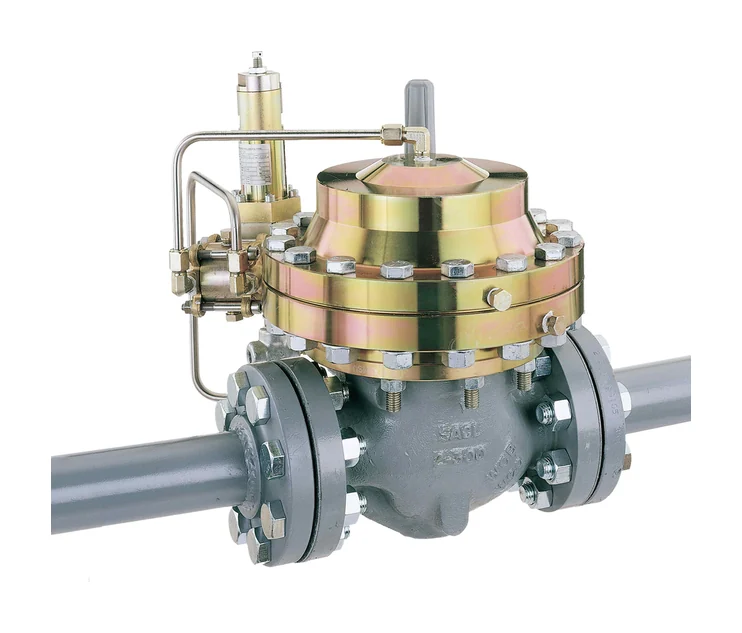
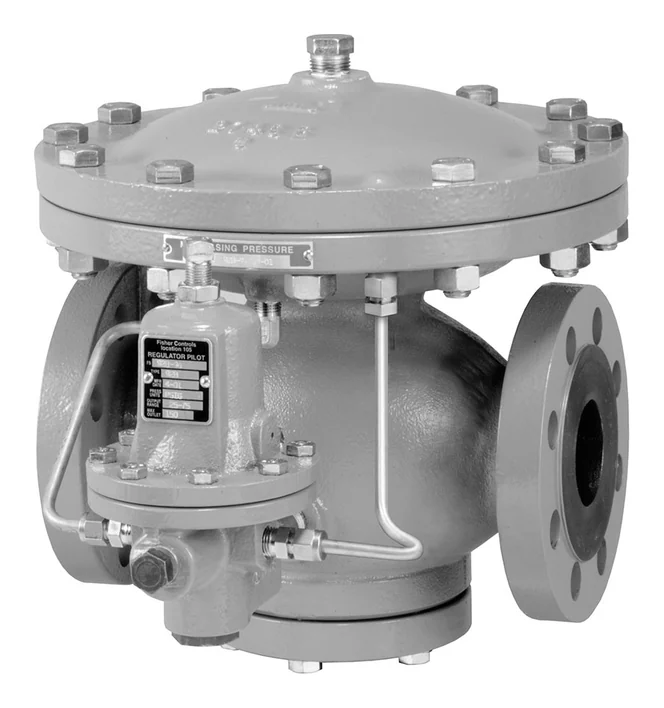
A pilot amplifies every slight change in outlet pressure and drives the main valve: more capacity and pressure closer to set point than direct operation.
They control upstream pressure: they stay closed up to set point and pass only the excess to the return line, another pressure level or the vent.
They shut off the gas supply quickly and completely when pressure leaves the set limits, and stay closed until manually reset.
They reduce steam pressure from the distribution lines to the level each consumer needs, on wet or dry steam and without instrument air.
Send the model, the part number or the process data. We reply with availability, lead time and delivery terms.